Aligning Promotional Credit Lifecycles with Baccarat's Banker-Player Decision Trees Across Emerging Digital Networks
Written by Rosa Vogel · Jul 18, 2026
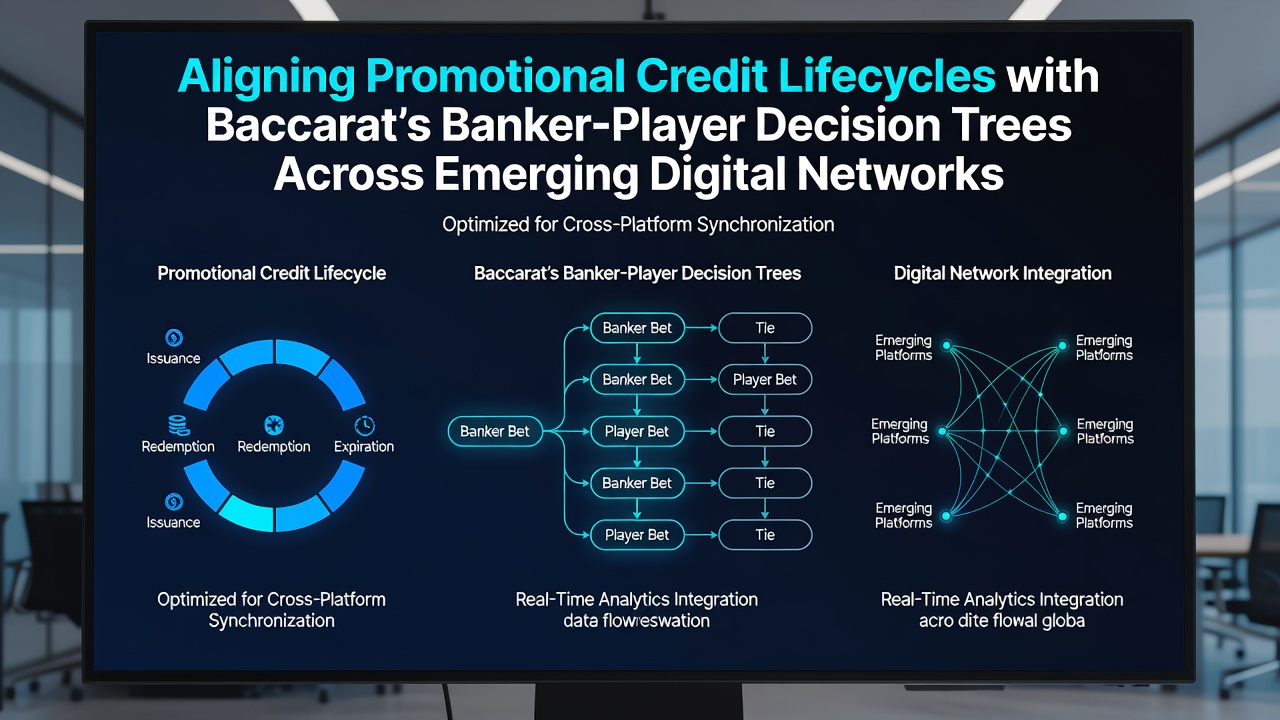
Aligning Promotional Credit Lifecycles with Baccarat's Banker-Player Decision Trees Across Emerging Digital Networks
Digital platforms now integrate baccarat's core probabilities with structured credit systems that track how promotional funds activate, cycle, and expire. Observers note that banker bets carry a house edge near 1.06 percent while player bets sit at 1.24 percent, and these fixed outcomes shape how operators time credit releases across app-based and cloud-hosted tables.
Baccarat Decision Structures in Networked Environments
Researchers have mapped baccarat choices into straightforward decision trees that digital systems replicate in real time, and these trees guide when players receive or lose access to bonus credits. Data from platform analytics show that sequences favoring repeated banker selections align with shorter credit expiration windows, whereas player-heavy patterns often extend lifecycle periods to encourage volume play. Emerging networks using low-latency protocols allow these trees to update across devices without interrupting ongoing hands, which keeps credit tracking synchronized with each outcome.
Operators deploy these alignments through backend rules that trigger credit adjustments based on cumulative banker or player streaks, and the approach reduces mismatches between expected play duration and available funds. Studies of live dealer feeds indicate that platforms handling thousands of concurrent sessions apply the same probability models to automate credit renewals or reductions at set thresholds.
Credit Lifecycle Mechanics and Probability Mapping
Promotional credits follow defined stages that include activation, wagering accumulation, and expiration, while decision trees supply the timing signals that determine progression through those stages. According to figures released by the Nevada Gaming Control Board, digital baccarat sessions in regulated markets processed over 2.8 billion hands in the prior fiscal year, and operators increasingly tie credit extensions to banker win rates within specific windows. This mapping lets systems release additional credits after confirmed banker sequences or withhold them following extended player runs.
Multiple providers now embed these rules in their network architectures so that credit lifecycles adjust automatically when decision trees predict higher or lower expected value for the next hand. The result appears in session logs where credits tied to banker paths remain active longer on networks optimized for rapid hand resolution.
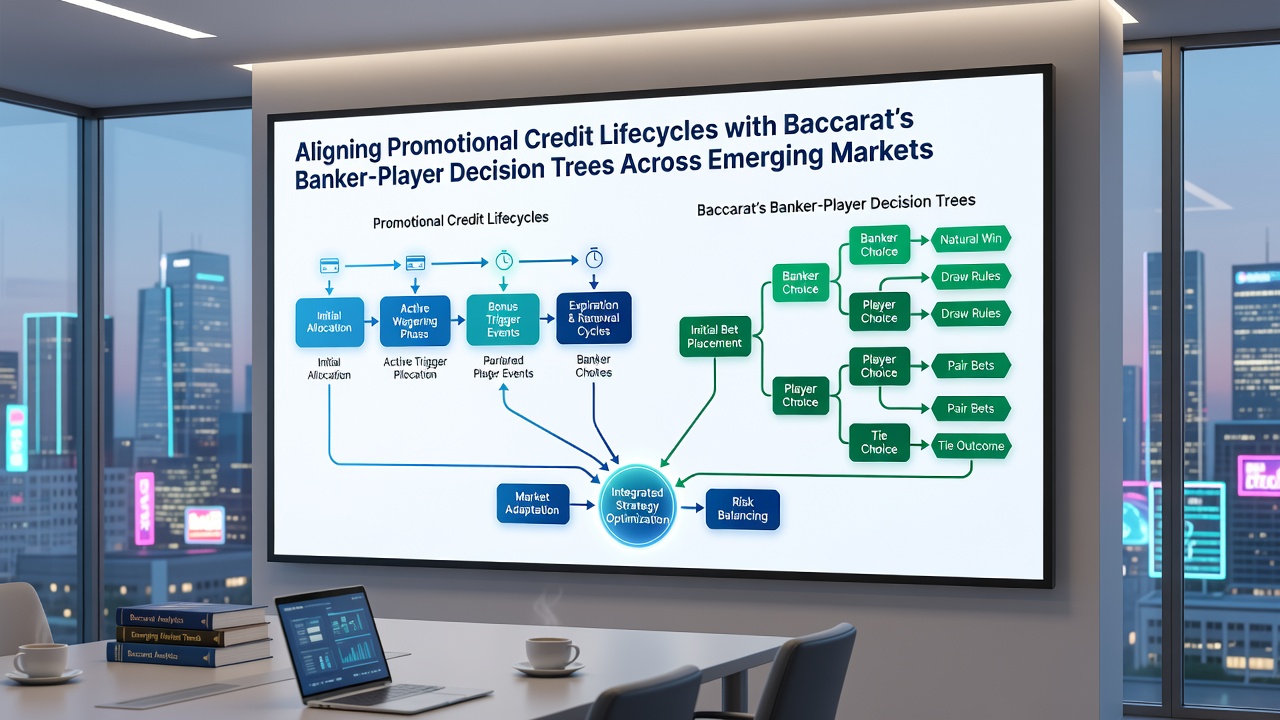
Implementation Across New Digital Infrastructures
Networks rolling out enhanced 5G and edge computing capabilities in 2026 support the real-time calculation required to keep credit states matched to decision branches. In July 2026 several North American operators began testing cross-device handoff protocols that preserve credit lifecycle data when sessions move from desktop to mobile environments. These tests revealed that maintaining alignment prevents premature credit expiration during network transitions and preserves the intended wagering progression.
Industry reports from the American Gaming Association document similar pilots in cloud-based casinos where decision tree outputs directly feed into credit management modules. The integration allows operators to set lifecycle parameters that respond to banker versus player frequencies without manual intervention, and the approach scales across multiple jurisdictions that permit digital table games.
Regulatory and Technical Considerations
Regulators in various regions require transparent reporting of how promotional mechanics interact with game probabilities, and emerging digital networks must demonstrate that credit lifecycles do not alter the underlying odds. Canadian provincial frameworks, for instance, mandate disclosure of any automated adjustments linked to outcome sequences, while Singapore's regulatory body examines similar linkages in licensed remote gaming systems. These requirements push developers to document the exact points where decision tree nodes trigger credit events.
Technical standards bodies continue to refine protocols that transmit both game results and credit state changes in unified data streams, and this standardization supports consistent application across different network providers. Observers tracking adoption rates note that platforms adopting unified streams report fewer discrepancies between expected and actual credit usage in baccarat environments.
Conclusion
Alignment between promotional credit lifecycles and baccarat decision trees now forms a core element of digital network design for table game operators. The combination relies on fixed probability structures, automated tracking systems, and regulatory compliance layers that together determine how credits activate and conclude. As networks continue to expand capacity in 2026 and beyond, the same mapping principles apply to additional game variants and cross-border player bases without changing the fundamental banker and player edges that anchor the process.