Analyzing the Impact of Tiered Reward Systems on Baccarat Gameplay Patterns in Online Venues
Written by Parker Roth · Jun 25, 2026
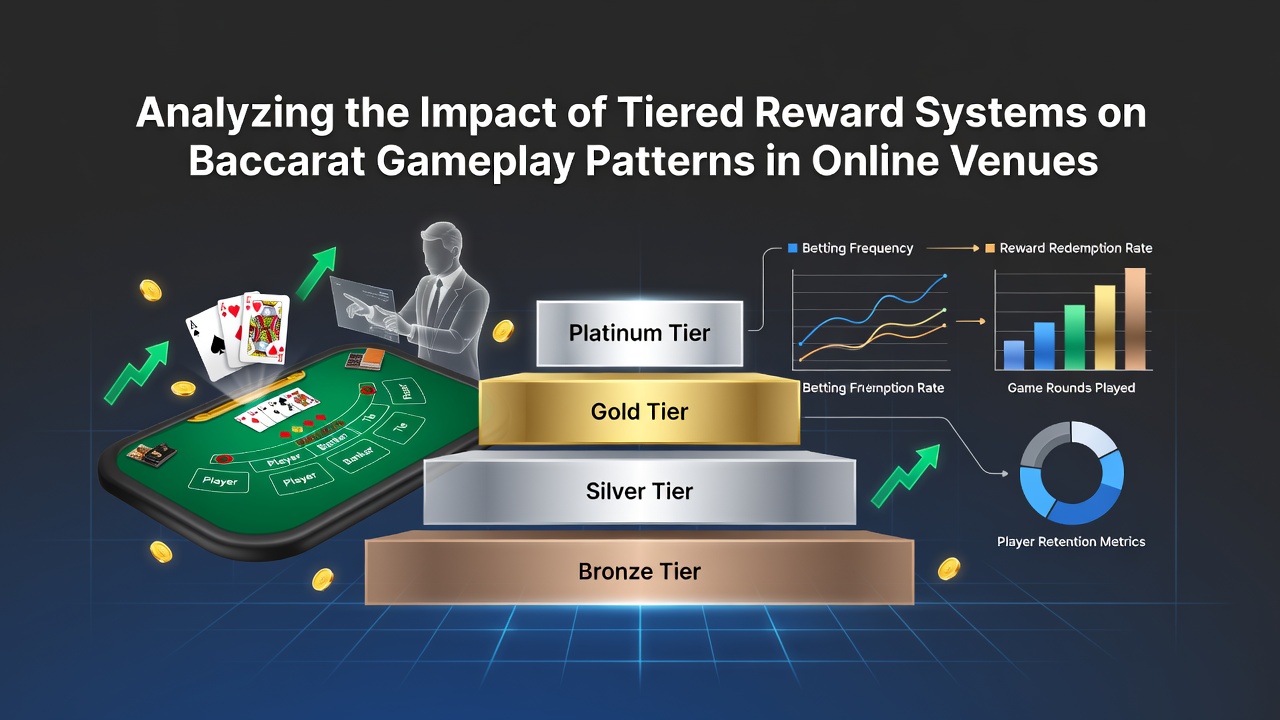
Analyzing the Impact of Tiered Reward Systems on Baccarat Gameplay Patterns in Online Venues
Online baccarat platforms have integrated tiered reward systems at an increasing rate since 2023, and analysts track how these layered structures influence player decisions during live and virtual table sessions. These systems typically divide participants into bronze, silver, gold, and platinum levels based on accumulated wagering volume, then grant escalating benefits such as cashback percentages, exclusive table access, and accelerated loyalty points. Data from multiple operators reveal measurable shifts in betting frequency, stake sizing, and session timing once players cross into higher tiers.
Core Mechanics of Tiered Structures in Digital Baccarat
Platforms calculate tier progression through a combination of total turnover and active days within a rolling 30-day window, which creates clear thresholds that players monitor through in-app dashboards. Observers note that bronze-level participants receive baseline cashback around 5 percent while platinum members access up to 25 percent plus personalized host support. This structure encourages sustained volume because each tier unlocks new reward multipliers that directly offset house-edge exposure over extended play periods.
Research Approaches and Data Sources
Analysts aggregate anonymized session logs from licensed operators across North America and Asia-Pacific markets, then apply time-series modeling to isolate reward-tier effects from confounding variables such as promotional calendars. Studies published by the University of Nevada, Reno Gaming Research Center compare pre-tier and post-tier adoption datasets spanning 18 months, revealing statistically significant changes in average bet size and hand count per session. Canadian regulatory filings from iGaming Ontario further supplement these findings with province-level transaction summaries that capture cross-platform player migration patterns.
Observed Shifts in Betting Volume and Stake Distribution
Once players reach silver tier, average wager amounts per hand rise between 12 and 18 percent compared with bronze baselines, according to aggregated platform telemetry. Gold and platinum participants display even steeper increases, often concentrating bets on banker or player sides rather than tie wagers because reward multipliers make high-frequency strategies more attractive. Session data also show that players adjust stake sizes upward immediately after receiving tier-up notifications, suggesting the psychological reinforcement of visible progress bars drives immediate behavioral adjustments.
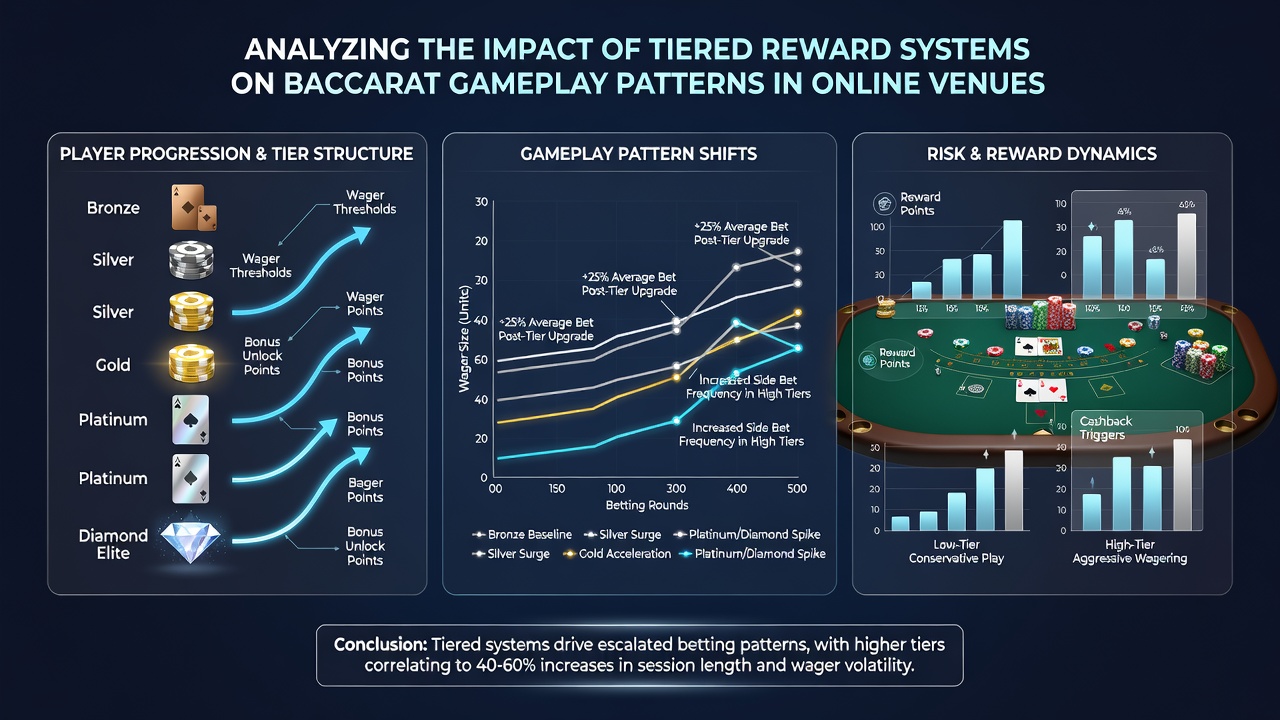
Yet the same datasets indicate that players near tier thresholds sometimes reduce bet sizes temporarily to avoid crossing into higher minimum-wager requirements that accompany platinum status, demonstrating strategic pacing around progression milestones. These micro-adjustments appear most frequently during the final days of each 30-day evaluation cycle.
Session Duration, Frequency, and Timing Patterns
Longitudinal tracking shows that silver-tier players extend average session length by roughly 22 minutes compared with their prior bronze activity, while gold members add another 15 minutes on average. Frequency metrics follow a different trajectory: daily login counts increase steadily through silver and gold levels before plateauing at platinum, where players shift toward fewer but longer sessions. Time-of-day analysis further reveals that higher-tier participants favor late-evening windows when live dealer tables feature reduced commission promotions, aligning reward redemption windows with peak table liquidity.
Risk Management and Cash-Out Behaviors
Researchers examining withdrawal logs note that platinum-tier accounts initiate cash-out requests 31 percent less often than bronze accounts within the same 24-hour window after large wins. Instead, these players frequently convert winnings into additional turnover to maintain tier status or unlock next-level perks. Lower-tier participants, by contrast, display quicker conversion of winnings into withdrawals once they near monthly cashback caps, which resets at the start of each calendar month.
Platform operators in New Jersey have reported similar patterns through Division of Gaming Enforcement summary statistics, where tiered reward recipients show lower single-session variance in net results because cashback credits smooth out short-term swings. This smoothing effect appears strongest among players who maintain consistent weekly volume rather than sporadic high-stakes bursts.
Cross-Regional Variations and Regulatory Context
European operators licensed under the Malta Gaming Authority apply similar tier frameworks yet report slower tier-progression rates because regulatory caps on bonus wagering requirements limit the effective value of cashback multipliers. In contrast, Australian state-licensed platforms show faster tier advancement tied to higher baseline wagering minimums, producing more pronounced shifts in stake distribution once players reach gold status. These regional differences highlight how local regulatory parameters interact with reward design to shape distinct gameplay signatures.
Conclusion
Tiered reward systems demonstrably alter baccarat gameplay through measurable changes in bet sizing, session length, and cash-out timing, with the magnitude of change scaling alongside tier level. Continued monitoring of anonymized transaction data through mid-2026 will clarify whether these patterns stabilize or evolve further as operators refine progression thresholds and introduce new reward layers.