Behavioral Dynamics Behind Personalized Baccarat Reward Systems in Virtual Gaming Environments
Written by Zoe Becker · Aug 24, 2026
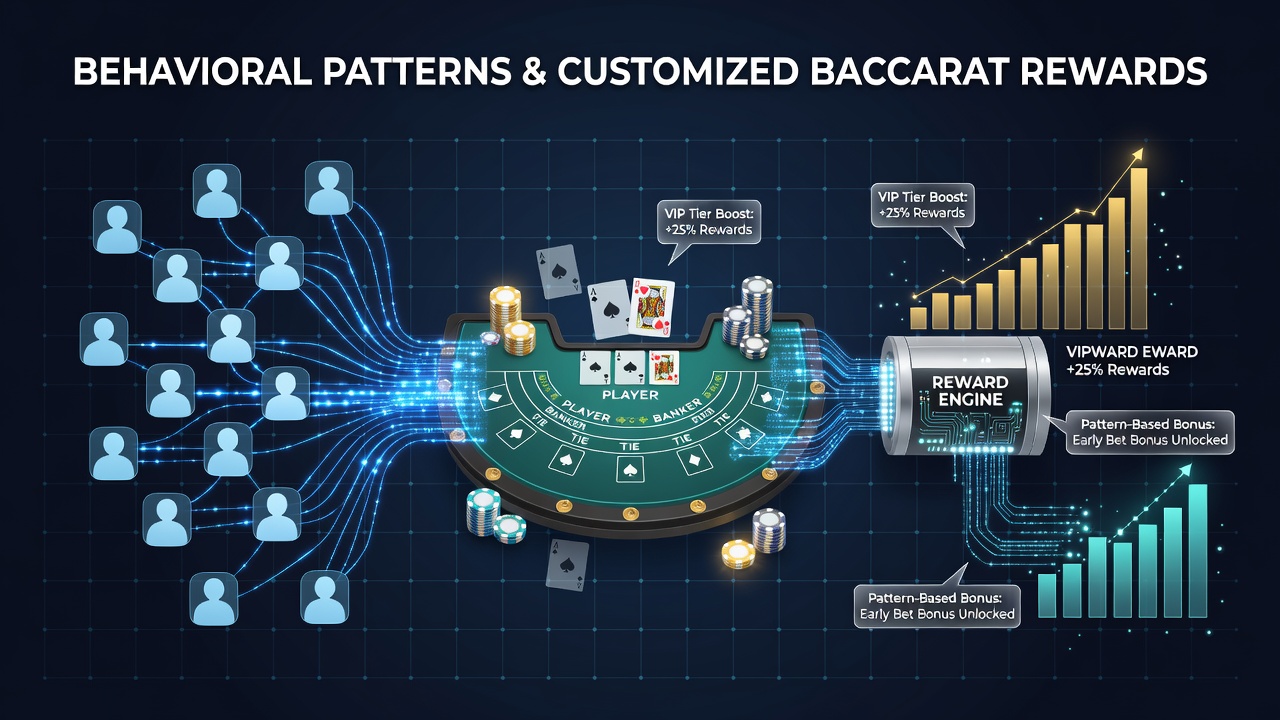
Behavioral Dynamics Behind Personalized Baccarat Reward Systems in Virtual Gaming Environments
Digital gaming networks track player actions in real time, and these records feed directly into reward allocation engines that adjust baccarat incentives according to observed habits. Platforms log betting frequency, session duration, stake variation, and response to previous promotions, then convert that information into individualized offers such as tiered cashback percentages or exclusive table access. In August 2026 several major operators updated their data pipelines to incorporate live hand-speed metrics, allowing the systems to distinguish between recreational sessions and high-velocity play without manual review.
Data Collection Layers That Capture Player Tendencies
Modern baccarat platforms collect information across multiple touchpoints, beginning with account creation details and extending through every subsequent wager. Software records the precise timing between hands, the size of each bet relative to bankroll, and whether a player switches tables after a loss sequence. These granular data points combine into behavioral profiles that algorithms later reference when determining reward eligibility. Operators integrate this information with external signals such as device type and geographic location to refine segmentation further, yet the core driver remains the sequence of in-game decisions captured during active play.
Key Behavioral Indicators Used for Customization
Analysts have identified several measurable patterns that correlate strongly with retention outcomes. Consistent late-night sessions often trigger loyalty multipliers, while erratic stake jumps prompt risk-adjusted offers designed to stabilize play volume. Platforms also monitor win-streak responses, because players who increase bets after consecutive wins receive different incentive structures than those who reduce exposure. One documented case involved a European network that adjusted rebate rates weekly based on average hands per hour, resulting in measurable shifts in player return rates according to internal platform reports.
Another layer involves reaction to promotional prompts themselves. When players open bonus notifications but decline to deposit, the system may lower future reward thresholds or extend validity windows. Conversely, rapid acceptance followed by immediate wagering leads to accelerated progression through VIP tiers. These feedback loops operate continuously, updating player status scores every few hours rather than at fixed calendar intervals.

Algorithmic Translation of Patterns Into Reward Tiers
Once behavioral profiles are assembled, machine-learning models assign weighted scores that determine which incentives activate. Higher scores attached to sustained high-stake play unlock larger match percentages, while moderate activity levels generate smaller but more frequent reload bonuses. The models incorporate historical cohort data so that similar behavioral clusters receive comparable offers, reducing arbitrary manual overrides. Regulatory filings from the Nevada Gaming Control Board indicate that operators must maintain audit trails showing how each reward decision links back to logged player actions, a requirement that has shaped the transparency of current allocation engines.
Seasonal factors also enter the calculation. During periods when international sporting calendars overlap with major tournament schedules, platforms observe spikes in session length among certain demographic groups and adjust reward pacing accordingly. Data shared by the American Gaming Association reveals that baccarat-focused networks in North America increased personalized deposit-match offers by measurable percentages in response to these overlapping demand patterns during 2025.
Regional Variations in Implementation
European operators tend to emphasize loss-mitigation rewards such as extended cashback windows tied to consecutive losing sessions, while North American platforms more frequently deploy progression bonuses that unlock after a set number of hands. Australian networks, operating under different licensing frameworks, incorporate mandatory responsible-gaming pauses into their behavioral scoring, which can delay reward delivery until the pause requirement is satisfied. These regional differences illustrate how the same underlying data streams produce divergent reward structures depending on local rules and player expectations.
Cross-border player accounts add another dimension. When individuals move between jurisdictions, platforms reconcile behavioral histories using standardized data schemas, although reward eligibility remains governed by the rules of the current licensing region. This reconciliation process ensures continuity without violating territorial restrictions on promotional mechanics.
Conclusion
Behavioral pattern analysis now forms the central mechanism through which digital baccarat networks allocate customized rewards. Continuous data capture, algorithmic scoring, and region-specific rule sets together determine the precise incentives each player encounters. As platforms refine their models with additional variables such as hand-speed and promotional response timing, the connection between observed actions and delivered rewards grows tighter, producing allocation systems that respond dynamically to individual play signatures while remaining compliant with evolving regulatory standards across multiple jurisdictions.