Examining Biometric Feedback Loops in Designing Adaptive Table Game Participation Structures
Written by Rosa Vogel · Aug 8, 2026
Examining Biometric Feedback Loops in Designing Adaptive Table Game Participation Structures
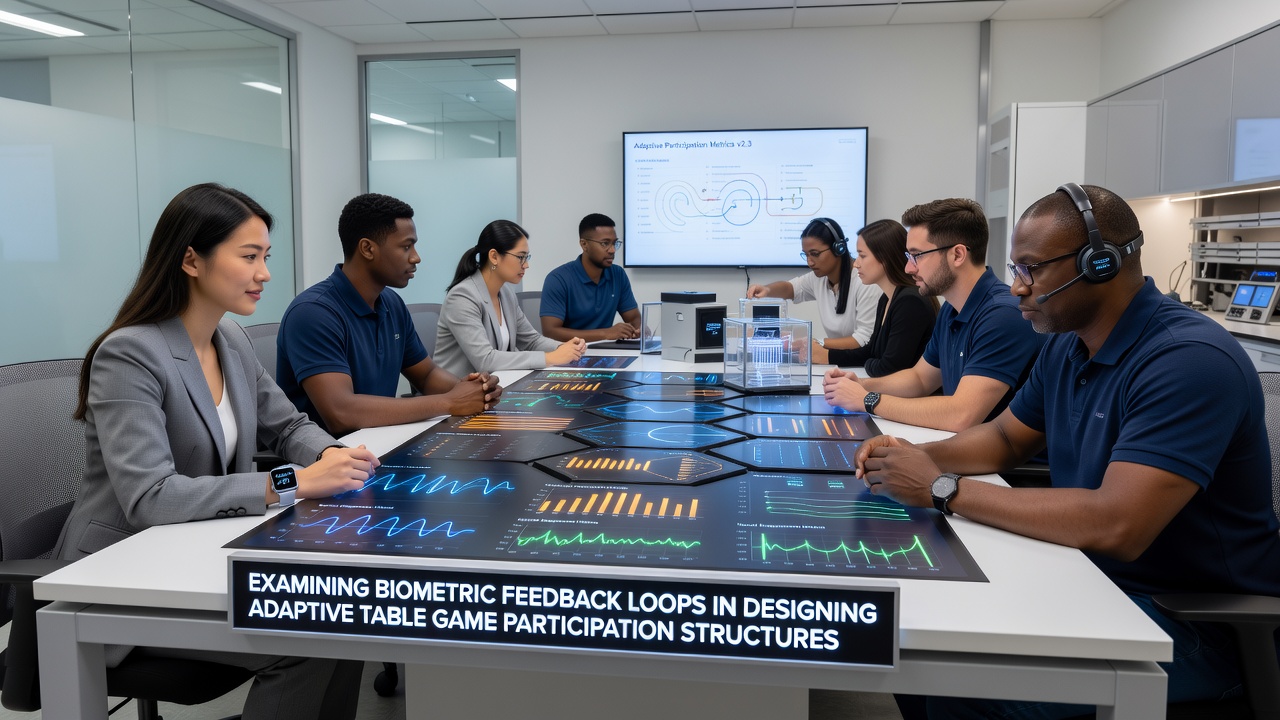
Biometric feedback loops have emerged as a key element in the evolution of table game design, where data from heart rate monitors, eye trackers, and skin conductance sensors feed directly into systems that adjust participation structures on the fly. Researchers at several gaming technology labs have documented how these loops collect physiological signals during play and route them into algorithms that modify game pace, bet limits, and reward timing without requiring player input.
Core Components of Biometric Loops
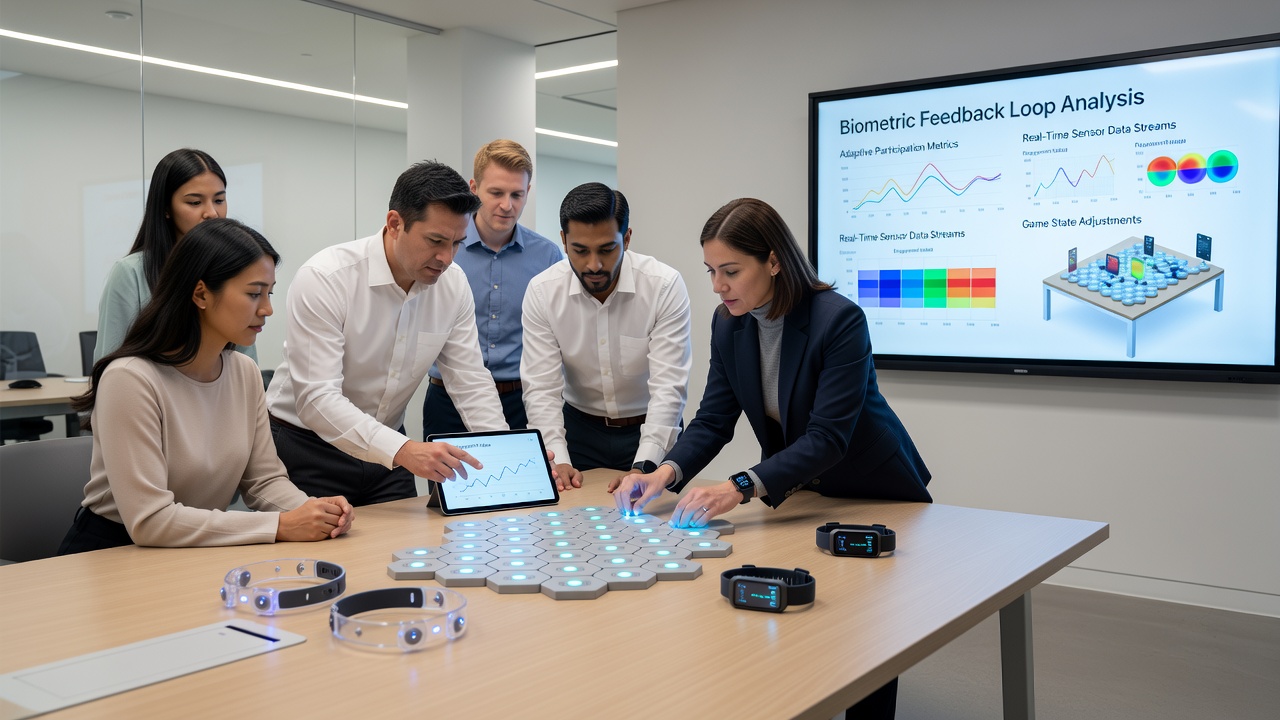
Table game environments now incorporate wearable devices or embedded table sensors that capture continuous streams of biometric information, and these streams connect to central processing units that compare incoming data against baseline profiles established during initial play sessions. When heart rate variability spikes or gaze patterns shift toward fixation on certain interface elements, the system responds by altering deck shuffle frequency or introducing optional side bets calibrated to the detected arousal level. Data from multiple pilot installations show that such adjustments occur within two to four seconds of signal detection, creating closed loops that maintain player engagement across extended sessions.
Integration with Adaptive Participation Frameworks
Adaptive structures rely on modular rule sets that can expand or contract based on biometric thresholds, so a blackjack table might automatically extend decision time when elevated skin conductance indicates stress, while a poker variant could tighten betting rounds when steady respiration patterns suggest high concentration. Engineers have built these frameworks around decision trees that weigh biometric inputs against historical session data, and the resulting participation models allow operators to maintain consistent table occupancy even as individual player states fluctuate. One deployment at a major resort in Nevada demonstrated that tables equipped with these loops sustained average session lengths 18 percent longer than standard configurations during a six-month test period ending in July 2026.
Technical Implementation Challenges
Hardware calibration remains a persistent issue because sensor accuracy varies with skin tone, ambient temperature, and player movement patterns, yet developers have addressed much of this variability through machine learning models trained on diverse participant cohorts. Software platforms must also handle latency between data acquisition and structural adaptation, and current systems achieve sub-second response times by processing signals at the edge rather than routing everything through cloud servers. According to findings published by the University of Nevada, Las Vegas gaming research group, calibration drift occurs in roughly 12 percent of devices after 90 days of continuous use, prompting manufacturers to introduce automated recalibration routines that run during table downtime.
Regulatory and Data Considerations
Gaming regulators in multiple jurisdictions have begun reviewing how biometric data collection intersects with existing player protection statutes, and the Nevada Gaming Control Board issued updated technical standards in August 2026 that require explicit consent mechanisms and data retention limits for any system using physiological monitoring. Similar guidance from the Australian Communications and Media Authority emphasizes transparency in how biometric triggers influence game outcomes, while industry groups such as the American Gaming Association have compiled best-practice documents outlining minimum security protocols for storing these sensitive data streams. Operators report that compliance audits now routinely include reviews of feedback loop algorithms to verify that adaptations do not inadvertently create unfair advantages or disadvantages for participants.
Observed Outcomes Across Installations
Facilities that have rolled out biometric-adaptive tables note measurable shifts in player flow, with certain demographic groups showing higher retention when systems respond to detected fatigue by introducing shorter rounds or visual rest prompts. Figures released by the Canadian Gaming Association indicate that properties using these structures recorded a 9 percent increase in table game revenue per unit during the first quarter of 2026 compared with matched control sites. Observers note that the loops also surface aggregate trend data useful for staffing decisions, since operators can anticipate peak engagement windows from population-level biometric patterns rather than relying solely on historical foot traffic counts.
Future Development Directions
Work continues on expanding the range of biometric inputs to include voice stress analysis and micro-expression detection, while research teams explore whether combining multiple signals yields more reliable adaptation triggers than single-metric approaches. Several manufacturers have announced plans to release updated sensor arrays by the end of 2026 that integrate directly into table felt and chair armrests, eliminating the need for players to wear separate devices. These advances build on the foundational loops already operating in select markets, where the focus remains on refining participation structures that respond fluidly to real-time physiological states.
Conclusion
Biometric feedback loops continue to reshape how adaptive table game participation structures operate, with documented implementations demonstrating measurable effects on session dynamics and operational metrics. Regulatory frameworks are evolving alongside the technology, and ongoing technical refinements aim to improve sensor reliability while preserving player agency over data use. As more venues adopt these systems, the interplay between physiological monitoring and game design rules is expected to produce additional datasets that inform both product development and compliance practices across the sector.