How Fashion Brand Partnerships Are Changing Reward Offerings for Table Game Players
Written by Rosa Vogel · Aug 6, 2026
How Fashion Brand Partnerships Are Changing Reward Offerings for Table Game Players
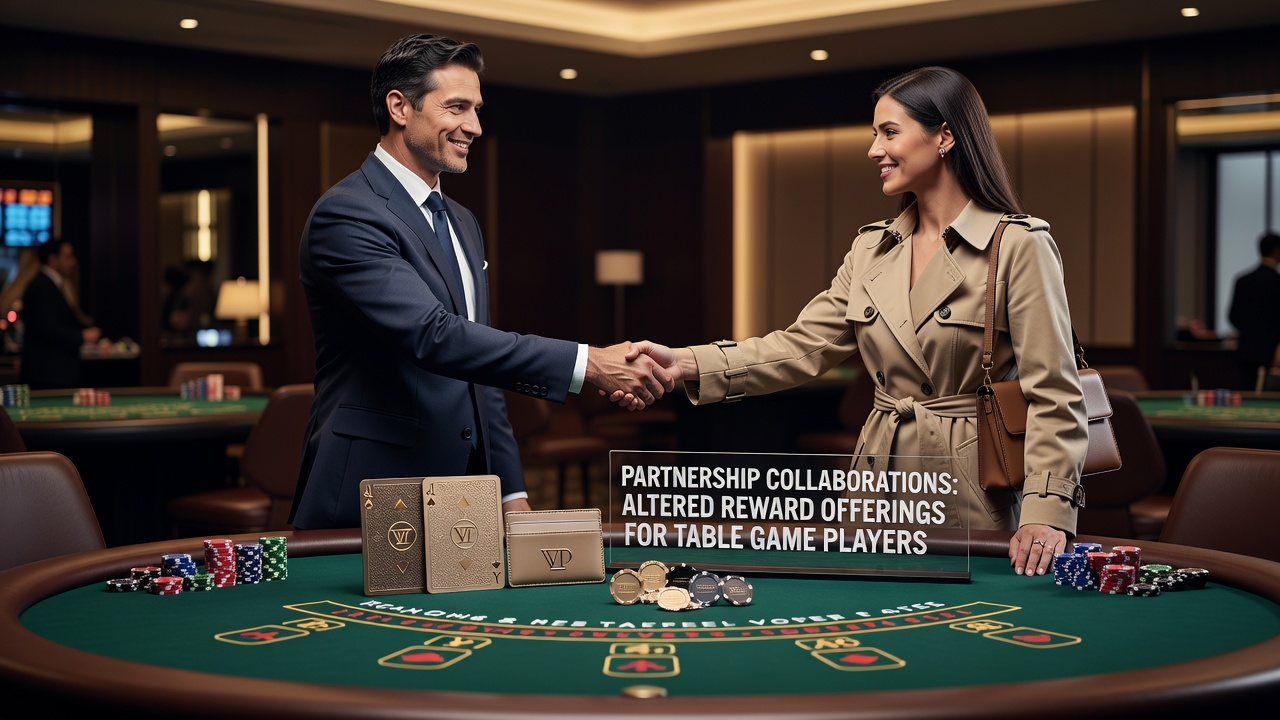
Partnerships between casinos and fashion brands have expanded the types of rewards available to table game participants in recent years, shifting offerings away from cash-based incentives toward luxury merchandise and exclusive experiences. Observers note that these collaborations often integrate high-end apparel and accessories directly into loyalty programs, where players accumulate points that convert into items from brands such as Gucci or Chanel rather than traditional rebates or free play credits.
Expansion of Reward Categories Through Brand Alliances
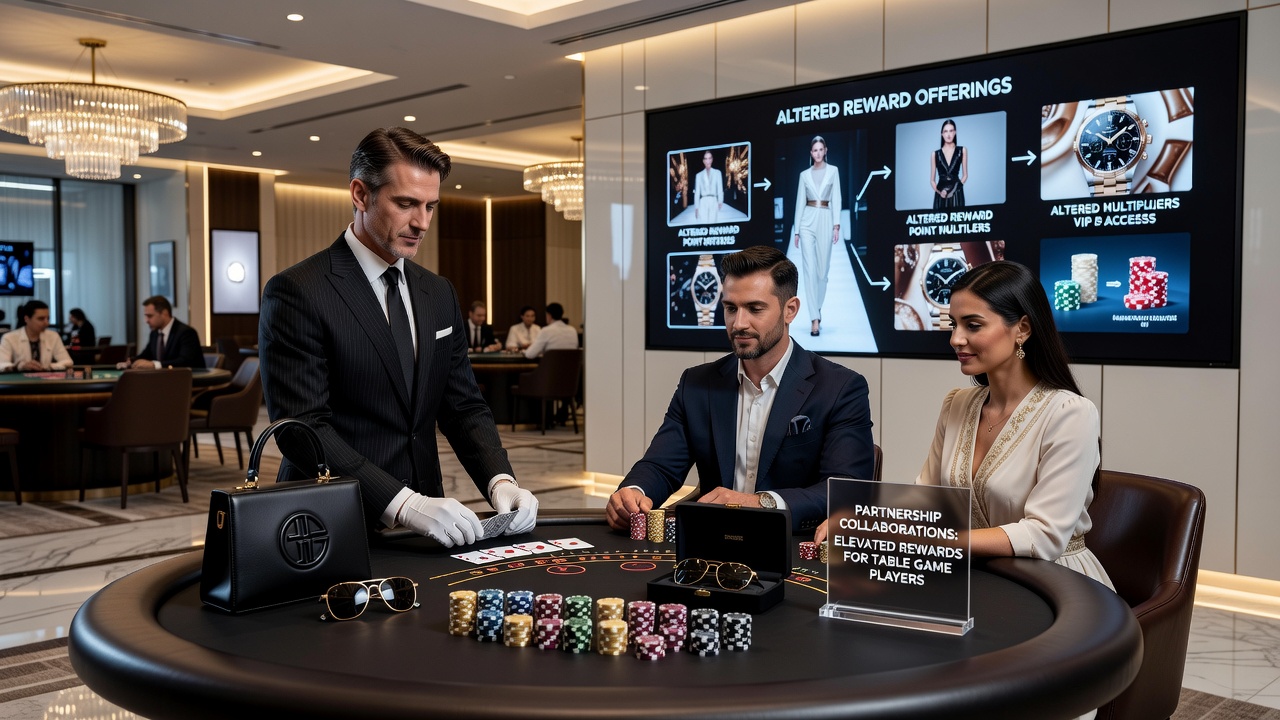
Research from the American Gaming Association shows that integrated fashion partnerships increased the variety of non-monetary rewards by 28 percent across major U.S. properties between 2023 and 2025. These alliances allow operators to offer limited-edition watches, handbags, and custom clothing as tiered benefits, which replace or supplement standard cashback structures for baccarat and blackjack enthusiasts. Data indicates that players who engage with these fashion-linked tiers demonstrate longer average session durations compared with those using only conventional point systems.
Venues in Las Vegas and Atlantic City have documented the rollout of seasonal collections tied to player milestones, where reaching a certain volume of table game activity unlocks access to private fashion showcases. Such programs connect directly to existing loyalty frameworks yet introduce new redemption paths that emphasize experiential value over immediate monetary returns.
Regional Variations in Partnership Implementation
Canadian regulatory filings reveal similar patterns at properties in British Columbia and Ontario, where operators collaborate with local fashion houses to provide tailored apparel rewards for high-volume table game participants. These initiatives align with provincial guidelines that encourage diversified incentive structures while maintaining responsible gaming standards. Figures from the British Columbia Lottery Corporation highlight a 15 percent rise in reward redemptions involving fashion items during the first half of 2026.
In Macau, partnerships with European and Asian luxury labels have altered reward mechanisms for baccarat players by incorporating branded gaming accessories and private shopping events. Regulatory reports from the Gaming Inspection and Coordination Bureau note that these collaborations coincide with adjustments in player retention metrics, particularly among international visitors.
Effects on Player Engagement and Reward Valuation
Studies conducted by the University of Nevada, Las Vegas Center for Gaming Research indicate that fashion-integrated rewards correlate with higher repeat visitation rates among table game participants who previously favored cash equivalents. The research tracks changes in redemption behavior, showing that experiential fashion perks often sustain engagement across multiple visits whereas one-time cash bonuses may not produce the same continuity.
August 2026 data from several Strip properties illustrates continued expansion of these programs, with new collections launching alongside major sporting events to capitalize on increased foot traffic. Operators report that the addition of fashion brand tiers has prompted adjustments in point accrual rates, ensuring that table game activity generates sufficient value to access premium items without disrupting overall revenue models.
Operational Adjustments and Data Integration
Casino management teams now incorporate fashion partner analytics into customer relationship platforms, tracking preferences for specific apparel categories alongside traditional play metrics. This integration allows for more precise targeting of reward offers, where algorithms match player profiles with available merchandise based on historical redemption patterns. Evidence from industry reports suggests these data-driven approaches reduce unused reward inventory while increasing perceived value for participants.
Training programs for floor staff and loyalty desk personnel have expanded to cover product knowledge from partner brands, ensuring accurate communication of redemption options during table game sessions. Such operational shifts reflect broader industry movement toward diversified incentive portfolios that blend gaming and lifestyle elements.
Conclusion
Fashion brand collaborations continue to reshape reward structures for table game players by introducing luxury merchandise and events as viable alternatives to conventional incentives. Available data from multiple jurisdictions demonstrates measurable changes in redemption behavior and engagement patterns, with operators adapting systems to accommodate these new offerings while remaining compliant with regional regulations. The trend shows sustained momentum into late 2026, driven by ongoing partnerships and refined data integration practices across major gaming markets.