How Player Migration Patterns Reshape Incentive Structures for Virtual Card Table Enthusiasts Across Emerging Platforms
Written by Zoe Becker · Aug 3, 2026
How Player Migration Patterns Reshape Incentive Structures for Virtual Card Table Enthusiasts Across Emerging Platforms
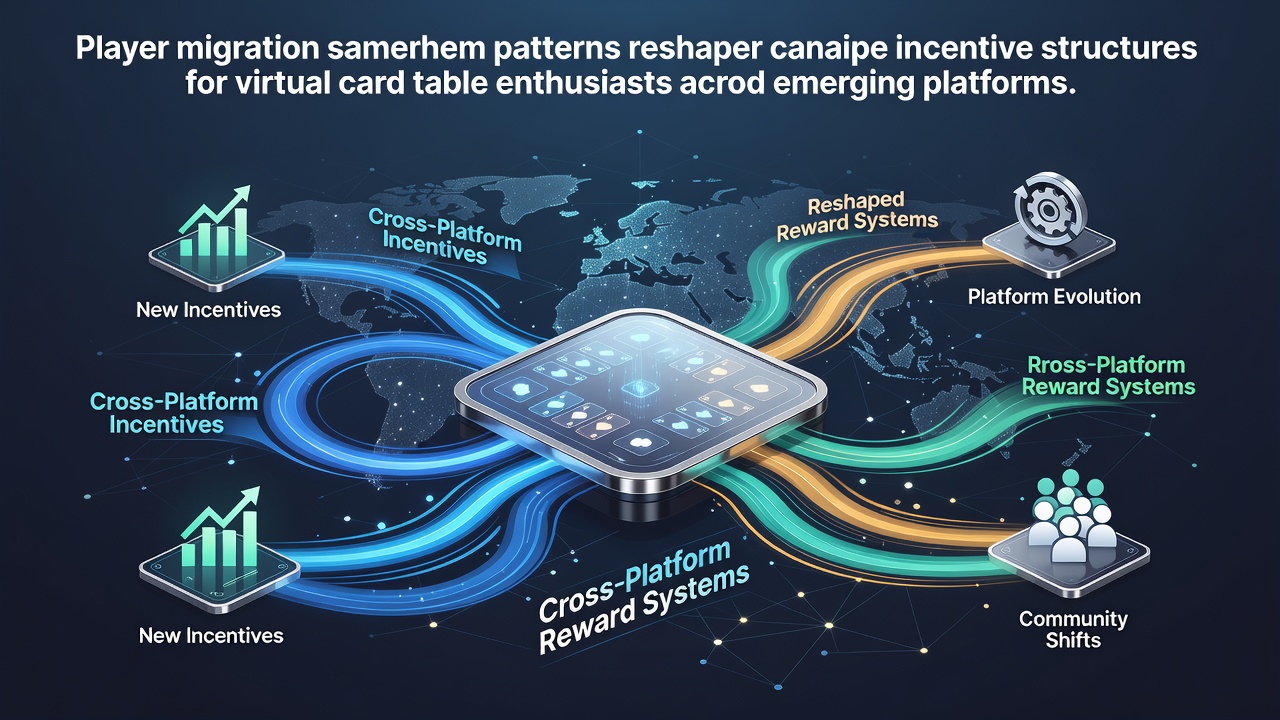
Player migration patterns have gained momentum as enthusiasts shift from established desktop sites toward emerging mobile applications and cross-platform networks, prompting operators to recalibrate their incentive frameworks accordingly. Data from industry tracking services shows that users increasingly favor platforms offering seamless transitions between devices, while reward systems adapt to retain participants who move frequently between virtual card environments. Observers note that these movements create ripple effects where traditional loyalty programs lose traction unless they incorporate dynamic elements tied to real-time activity across multiple interfaces.
Tracking Shifts in User Behavior on New Networks
Studies conducted through aggregated platform analytics reveal that card table participants migrate toward emerging platforms at rates that vary by region, with higher concentrations appearing in areas where mobile infrastructure supports faster connections and lower latency. Researchers discovered that those who relocate often prioritize features such as instant deposit matching and progressive loyalty tiers that reset based on cross-device play history. In August 2026, platform reports indicated a measurable uptick in transfers to applications integrating virtual reality elements, where incentive structures emphasize session-based multipliers rather than static deposit bonuses.
One analysis from the American Gaming Association highlights how these patterns influence the design of retention tools, as operators introduce adaptive credit systems that follow users across networks instead of remaining confined to single sites. Experts have observed that participants respond to incentives linked to behavioral milestones, such as consistent engagement during peak hours or participation in multi-table events that span different emerging platforms. This approach allows reward mechanisms to evolve alongside migration trends rather than lagging behind them.
Adjustments in Reward Mechanisms Driven by Platform Changes
Operators on newer platforms adjust incentive structures by layering personalized offers that account for a user's history of movement between virtual card tables. Figures from regulatory filings demonstrate that tailored promotions, including time-limited credit boosts tied to specific game types, help stabilize participation rates even as players explore alternative environments. What's interesting is how these adjustments draw from data streams that capture not only play volume but also the frequency of platform switches, enabling more precise allocation of rewards.
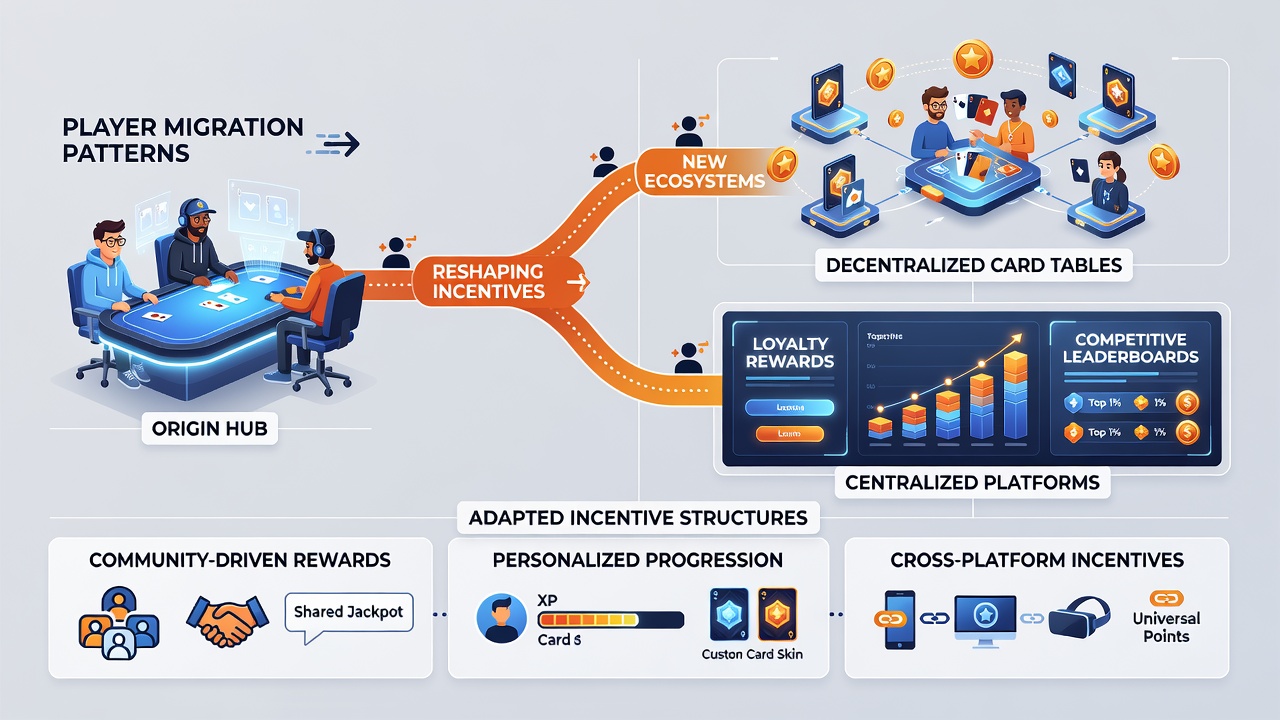
Those who've examined retention data find that emerging platforms often deploy hybrid models combining traditional rebates with network-specific achievements, such as completing challenges that require activity on multiple connected applications. Research indicates that these models gain traction because they align with the fluid nature of modern player paths, where individuals rarely remain on one interface for extended periods. According to reports from the Canadian Gaming Association, such adaptations have correlated with steadier engagement metrics in markets where cross-platform play has become standard.
Regional Variations and Data Influences on Incentive Design
Regional differences appear clearly in how migration affects incentive offerings, with European platforms emphasizing regulatory-compliant reward caps while North American operators focus on integration with live event calendars. A study from the University of Nevada Reno examined how player flows between virtual card environments prompted operators to link incentives to broader ecosystem events, including partnerships with sports leagues that drive traffic during specific seasons. Data shows that platforms responding to these flows achieve higher retention by offering credits that accumulate across devices rather than resetting upon each migration.
Observers note that incentive structures also incorporate feedback loops derived from user movement statistics, allowing adjustments that reflect actual patterns instead of assumed behaviors. For instance, platforms have introduced tiered access to exclusive tables that unlock based on cumulative activity tracked across emerging networks, creating continuity for participants who shift locations frequently. This method supports sustained involvement because rewards remain accessible regardless of the specific platform chosen at any moment.
Conclusion
Player migration patterns continue to drive refinements in incentive structures as operators on emerging platforms gather more granular data about movement and engagement. Research indicates that successful adaptations center on flexible systems capable of following users across networks while maintaining relevance to individual play histories. Those monitoring these developments report that incentive frameworks evolve through ongoing analysis of regional trends and technological integrations, ensuring rewards align with the realities of cross-platform participation in virtual card environments.