Inside Algorithmic Loops: How Real-Time Betting Data Shapes Personalized Baccarat Reward Triggers Across Mobile Networks
Written by Parker Roth · Aug 15, 2026
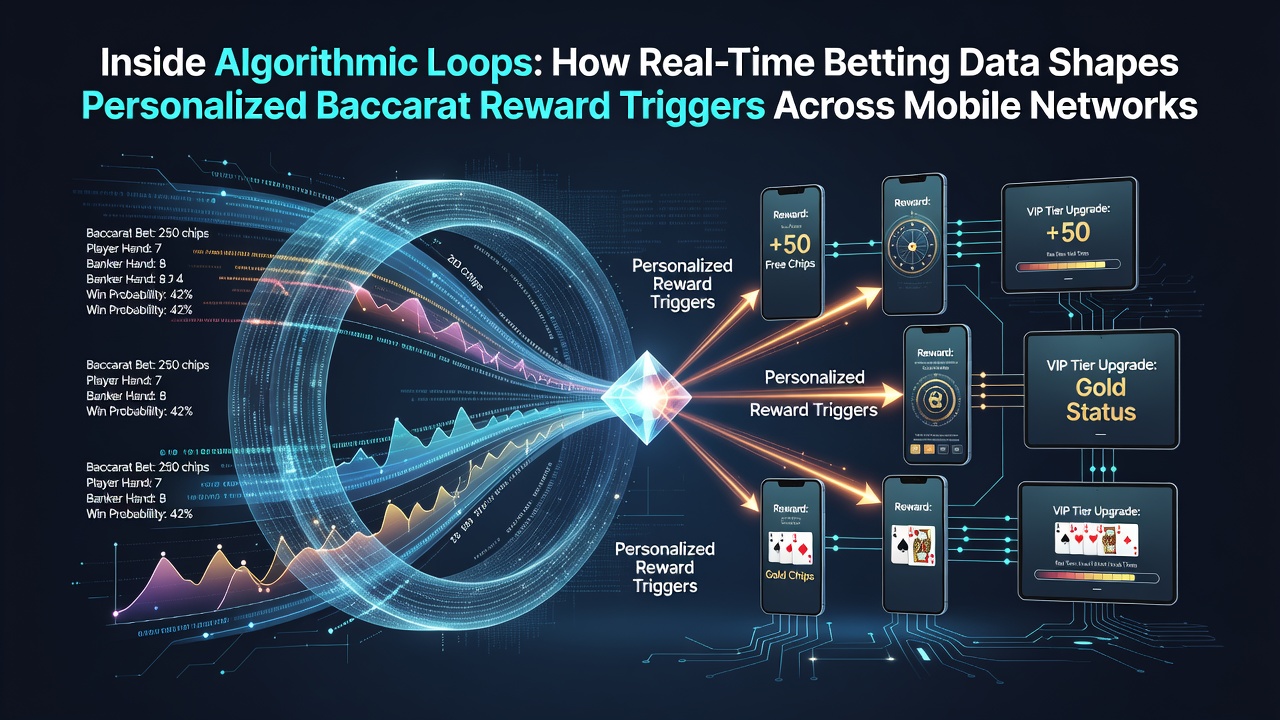
Inside Algorithmic Loops: How Real-Time Betting Data Shapes Personalized Baccarat Reward Triggers Across Mobile Networks
Real-time betting data moves through mobile networks in continuous streams that feed directly into algorithmic systems designed to adjust baccarat reward triggers on the fly. Platforms capture every wager, win, loss, and session duration as players interact with digital tables, then route that information through processing layers that identify patterns within milliseconds. Those patterns determine when and how personalized incentives activate, creating closed loops where incoming data immediately influences outgoing reward signals.
Data Capture Across Mobile Networks
Mobile operators and gaming platforms collect granular information from devices connected to 5G and emerging 6G test networks, including bet timing, stake amounts, and connection stability metrics. According to the Nevada Gaming Control Board, operators must log these elements under technical standards that require timestamp accuracy to the millisecond level. The data packets travel through carrier infrastructure before reaching centralized servers, where initial filtering removes noise while preserving sequences that reveal player momentum shifts during baccarat rounds.
Network latency measurements integrate into the same datasets because delays between device and server can alter perceived game pace, prompting algorithms to recalibrate reward thresholds. Researchers at the University of Nevada, Reno have documented how even small variances in packet delivery affect trigger sensitivity, particularly when players switch between Wi-Fi and cellular connections mid-session.
Algorithmic Loop Construction
Once data arrives, processing engines build temporary loops that compare current betting sequences against historical profiles stored in distributed databases. Each loop evaluates variables such as average bet size, frequency of side bets, and duration between decisions, then assigns weighted scores that determine reward eligibility. When a score crosses a predefined boundary, the system issues a trigger that surfaces a tailored incentive, such as a matched play credit or extended table access, without interrupting the ongoing round.
Feedback mechanisms close the loop by recording whether the player engages with the triggered reward, feeding that outcome back into the model for the next iteration. This cycle repeats across thousands of concurrent sessions, with each loop refining its parameters based on aggregate behavior observed across the network during peak hours.
Personalization Triggers in Baccarat Contexts
Baccarat reward triggers focus on specific mechanics such as tie bet frequency or banker streak patterns because those elements produce distinct data signatures that algorithms isolate quickly. A player who consistently increases stakes after wins may receive prompts for insurance-style credits, while another who favors player bets after losses could see different adjustments appear. The same data streams also incorporate time-of-day and day-of-week variables, allowing loops to anticipate volume changes that coincide with major sporting events or regional holidays.
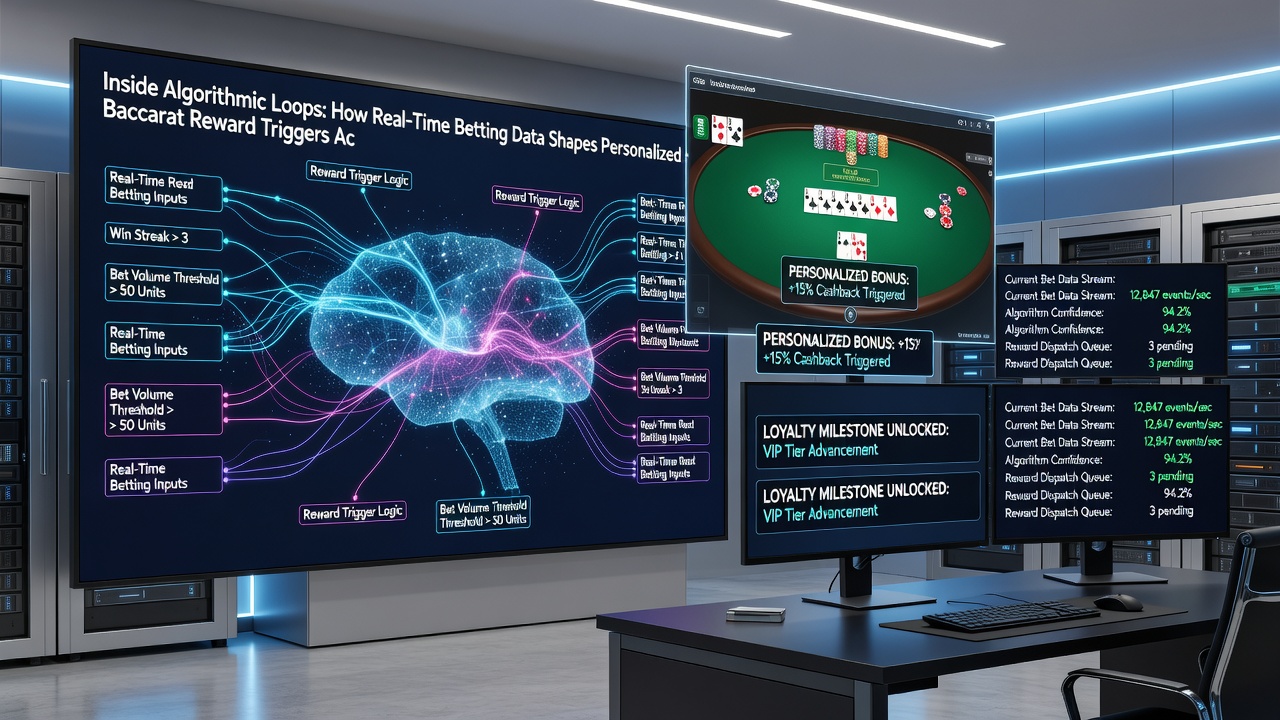
By August 2026, several major operators had expanded these systems to handle cross-border traffic, routing data through regional nodes that comply with local technical requirements while maintaining unified algorithmic cores. The result is a network of interconnected loops that maintain consistency for players who move between devices or jurisdictions during extended sessions.
Integration with Broader Platform Systems
Algorithmic loops do not operate in isolation; they exchange signals with inventory management modules that allocate reward types based on current promotional calendars and player tier status. When a trigger fires, the system checks available reward pools and selects options that align with both the immediate data pattern and longer-term retention metrics. Observers at the Casino Regulatory Authority of Singapore have noted that such integrations require audit trails capable of reconstructing every decision path from raw bet data to final reward delivery.
Security protocols wrap each data exchange, using encryption standards that protect player identifiers while allowing pattern analysis to proceed on anonymized aggregates. This separation enables loops to function at scale without exposing individual account details during high-volume periods.
Conclusion
Real-time betting data continues to drive the construction and refinement of algorithmic loops that deliver personalized baccarat rewards across mobile networks. The mechanisms rely on rapid capture, weighted scoring, and closed feedback cycles that adjust triggers according to live conditions. As network capabilities advance and data volumes grow, these systems maintain the technical capacity to respond within the constraints set by regulatory frameworks and platform architecture.