Interplay Between Baccarat Incentive Designs and Virtual Reality Table Simulations in Cross-Border Gaming Networks
Written by Logan Butler · Jul 11, 2026
Interplay Between Baccarat Incentive Designs and Virtual Reality Table Simulations in Cross-Border Gaming Networks
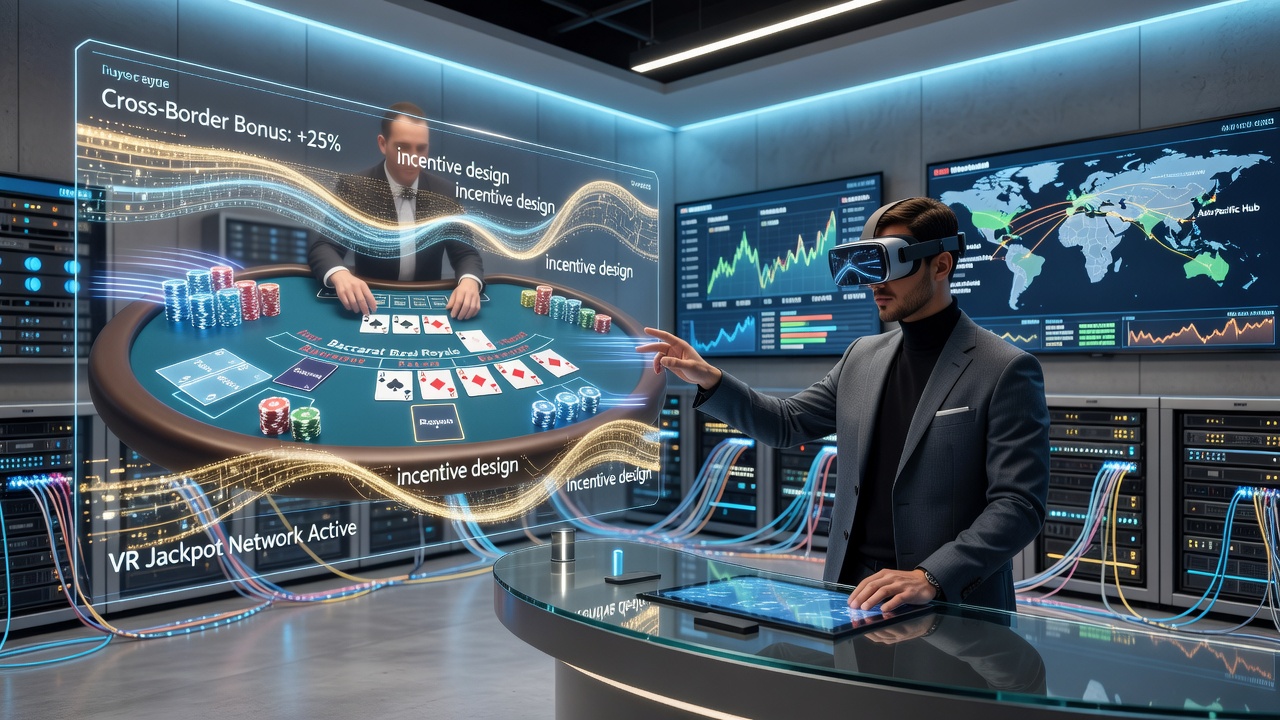
Virtual reality table simulations have begun reshaping how operators structure baccarat incentives across international networks, where reward mechanisms adapt to immersive environments that track player movements, betting patterns, and session durations in real time. Data from multiple jurisdictions shows that these simulations integrate with incentive designs through layered credit systems that respond to behavioral signals captured during virtual play sessions.
Operators in regions such as Asia-Pacific and North America deploy VR environments that replicate physical table dynamics, including card dealing animations and chip stacking interfaces, while simultaneously feeding performance metrics into centralized incentive platforms. These platforms adjust deposit matches, cashback tiers, and loyalty points based on metrics gathered inside the simulated space rather than through traditional two-dimensional interfaces.
Technical Foundations of VR Baccarat Simulations
Cross-border gaming networks rely on standardized protocols that allow VR table data to flow between licensed operators in different countries. Research from the University of Nevada's International Gaming Institute indicates that simulation engines capture variables such as eye-tracking dwell time on betting zones and hand-gesture frequency when players place wagers. These variables then inform dynamic incentive triggers that release tiered rewards without requiring players to exit the virtual environment.
Network architecture supports interoperability through shared application programming interfaces that transmit session data across regulatory boundaries. In July 2026 several European and Australian operators completed integration tests that synchronized VR baccarat tables with incentive ledgers hosted in separate jurisdictions, allowing seamless transfer of player progress metrics while maintaining compliance with local data residency rules.
Incentive Design Adaptations in Immersive Settings
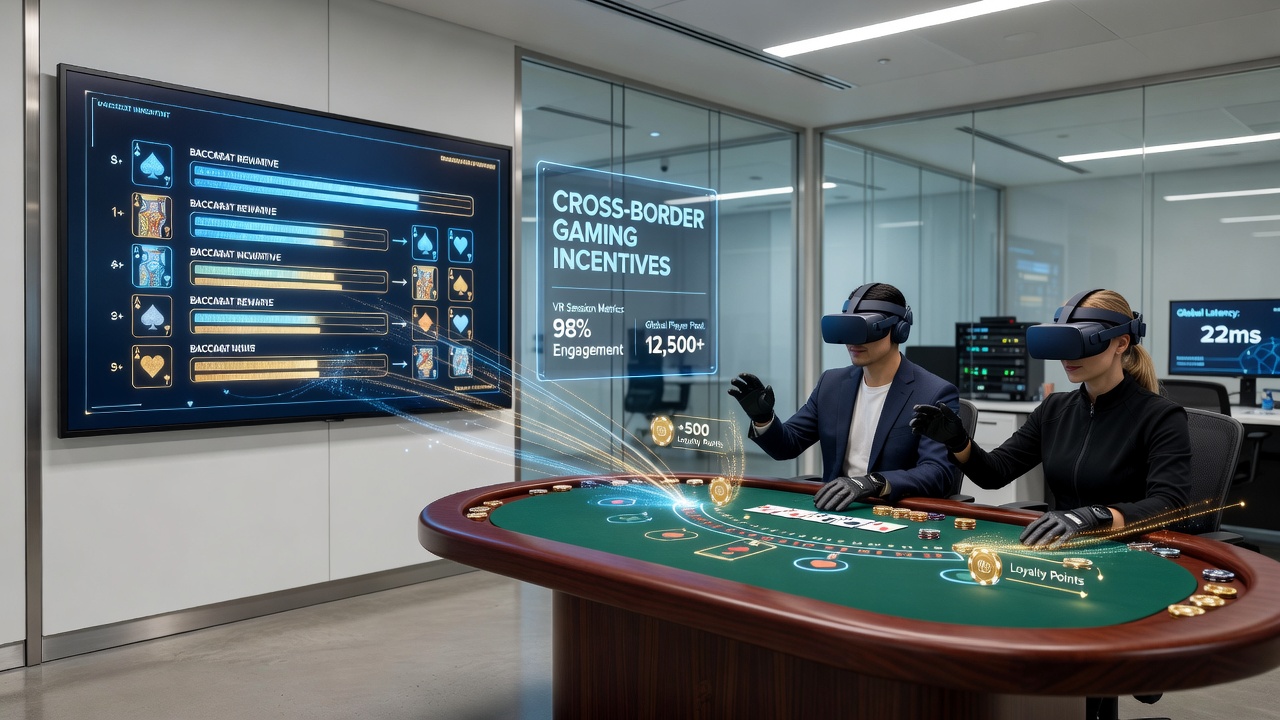
Incentive structures evolve when transferred into VR contexts because operators gain access to granular behavioral data unavailable in flat-screen formats. Progressive rebate schedules now activate based on continuous play streaks measured through avatar positioning and decision latency rather than simple wager totals alone. Figures released by the New Jersey Division of Gaming Enforcement reveal that VR-enabled baccarat rooms recorded a 23 percent increase in average session length during the first half of 2026 compared with non-immersive counterparts.
Layered reward cycles incorporate virtual table milestones, such as completing a sequence of banker bets within a simulated shoe, to unlock temporary multiplier effects on subsequent wagers. These milestones connect directly to cross-border loyalty networks that aggregate activity across multiple licensed sites, enabling players to accumulate points regardless of which operator hosts the current VR session.
Regulatory Considerations Across Jurisdictions
Cross-border networks must reconcile differing rules on bonus transparency and virtual asset representation. Canadian provincial regulators and Singaporean authorities have issued joint guidance documents requiring clear disclosure of how VR-tracked metrics influence reward eligibility. Compliance teams therefore embed audit logs within simulation software that record every incentive trigger event with timestamps and player identifiers.
Operators address these requirements by maintaining separate incentive ledgers for each regulatory zone while still allowing unified player accounts. Data synchronization occurs through encrypted channels that preserve jurisdictional separation yet deliver consistent reward experiences inside the shared VR space.
Data Flow and Personalization Mechanisms
Behavioral triggers captured during VR sessions feed machine-learning models that refine incentive personalization at the network level. Session heat maps generated from avatar movement patterns help operators identify optimal moments to surface targeted offers without disrupting immersion. Industry reports compiled by the Asia-Pacific Gaming Association document that such targeted interventions have produced measurable lifts in retention rates across participating cross-border platforms.
Real-time adjustments occur through edge computing nodes positioned near regional data centers, reducing latency between VR action and incentive response. This architecture supports the delivery of context-aware rewards, such as virtual table upgrades or exclusive shoe access, that appear only when players meet predefined behavioral thresholds inside the simulation.
Conclusion
The convergence of baccarat incentive designs with virtual reality table simulations continues to expand within cross-border gaming networks as operators refine data integration and regulatory alignment. Technical standards emerging in 2026 enable smoother synchronization of player metrics across jurisdictions while preserving compliance boundaries. Observers note that ongoing developments in simulation fidelity and incentive responsiveness will likely shape future network architectures, with performance data serving as the primary driver for reward calibration.