Mapping Retention Loops Through Layered Credit Lifecycles in Virtual Table Environments
Written by Finley Roth · Jun 18, 2026
Mapping Retention Loops Through Layered Credit Lifecycles in Virtual Table Environments
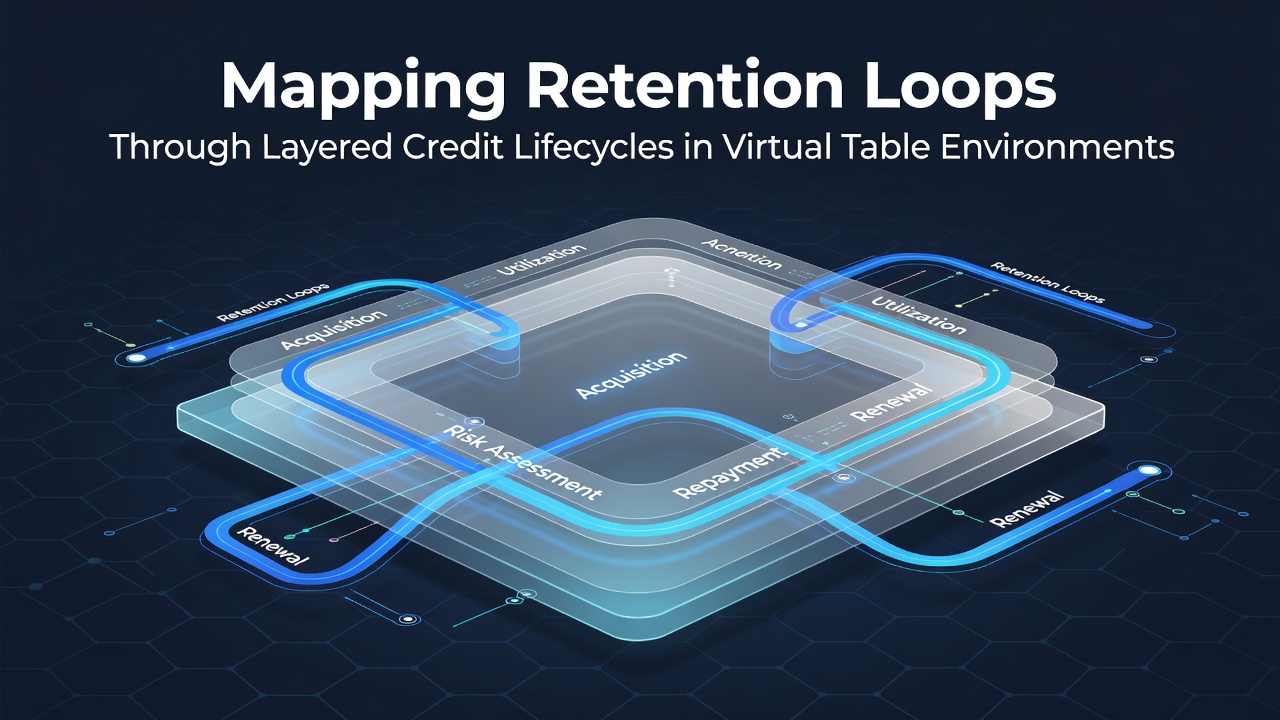
Virtual table environments operate through complex systems where retention loops connect directly to layered credit lifecycles, and operators track these patterns using data from player interactions across multiple platforms. Researchers at various gaming institutions have documented how credit allocation occurs in stages, beginning with initial deposits that trigger bonus structures, followed by progressive tiers that adjust based on activity levels and time-based resets. Data from industry reports shows these loops form when players receive credits that encourage continued participation, creating cycles where each layer influences the next through automated triggers and threshold mechanisms.
Understanding Credit Lifecycle Stages
Layered credit lifecycles begin with acquisition credits that introduce new participants to virtual tables, and these evolve into retention credits designed to maintain engagement over extended periods. According to findings from the Nevada Gaming Control Board, credit systems in virtual environments process transactions in sequences that include deposit matching, loyalty point conversions, and time-limited redemptions, each layer building upon the previous one to form closed retention loops. Observers note that the first stage often involves base credits tied to account creation, while subsequent layers incorporate performance metrics such as session duration and table selection frequency.
Additional layers activate when players reach specific volume thresholds, and these adjustments occur through algorithms that recalibrate available credits without manual intervention. Studies from European gaming research centers indicate that such layering prevents credit stagnation by introducing decay rates that prompt renewed activity before expiration dates arrive. Those who analyze these systems find that retention loops strengthen when credits from one layer feed directly into eligibility for the next, creating seamless transitions that operators monitor through centralized dashboards.
Data Mapping Techniques in Virtual Settings
Mapping retention loops requires integration of transaction logs with behavioral analytics, and software platforms collect this information from virtual table interfaces that record every credit movement in real time. Industry associations have compiled datasets showing how these maps reveal patterns across different player segments, with high-frequency users exhibiting tighter loops compared to occasional participants. The process involves overlaying credit lifecycle timelines onto retention metrics, which highlights points where players either continue or exit the cycle.
Figures from the Australian Communications and Media Authority reveal that virtual environments generate terabytes of data daily, and analysts use this volume to refine loop models that predict credit redemption rates. When one layer of credits expires without conversion, the mapping system flags potential breaks in the retention chain, allowing adjustments in subsequent layers to compensate. This approach has gained traction in platforms operating across multiple jurisdictions because it accommodates varying regulatory requirements while maintaining consistent lifecycle tracking.

Integration with Player Activity Patterns
Virtual table environments link credit lifecycles to activity patterns through timestamped events that capture session starts, table switches, and credit expenditures in sequence. Research indicates that retention loops tighten when activity data aligns with credit availability, such as when weekend peaks coincide with bonus layer releases. Operators employ visualization tools to trace these connections, and the resulting maps display how early-stage credits influence later engagement levels across different game types within the same platform.
By June 2026, updates to several virtual table systems incorporated enhanced mapping features that distinguish between short-term and long-term loops, according to reports circulated among gaming technology providers. These distinctions help identify whether credits serve immediate retention goals or contribute to sustained lifecycle progression. Players moving between mobile and desktop interfaces generate additional data points that refine these maps, since credit usage often varies by device type.
Regulatory Considerations Across Regions
Regional regulations shape how layered credit systems operate, and compliance frameworks require transparent reporting of retention mechanisms to oversight bodies. In Canada, provincial gaming authorities review lifecycle data to ensure credits do not create unintended dependencies, while similar reviews occur in Asian markets where virtual tables form a growing segment. Mapping processes must therefore include audit trails that document each layer's activation and expiration without compromising player privacy standards.
Industry organizations such as the World Lottery Association have published guidelines that encourage standardized mapping practices, enabling cross-border comparisons of retention loop effectiveness. These standards emphasize the separation of credit allocation data from personal identifiers, which supports objective analysis of lifecycle patterns across diverse player populations.
Conclusion
Mapping retention loops through layered credit lifecycles provides virtual table operators with structured insights into how credits influence ongoing participation. The integration of data from multiple stages creates comprehensive views that support adjustments in real time, and continued development in this area aligns with broader trends in gaming technology. As platforms evolve, these mapping techniques remain central to understanding credit dynamics in virtual environments.