Tax Reporting Requirements for Recipients of Specialized Table Game Perks in Cross-Border Online Environments
Written by Zoe Becker · Aug 20, 2026
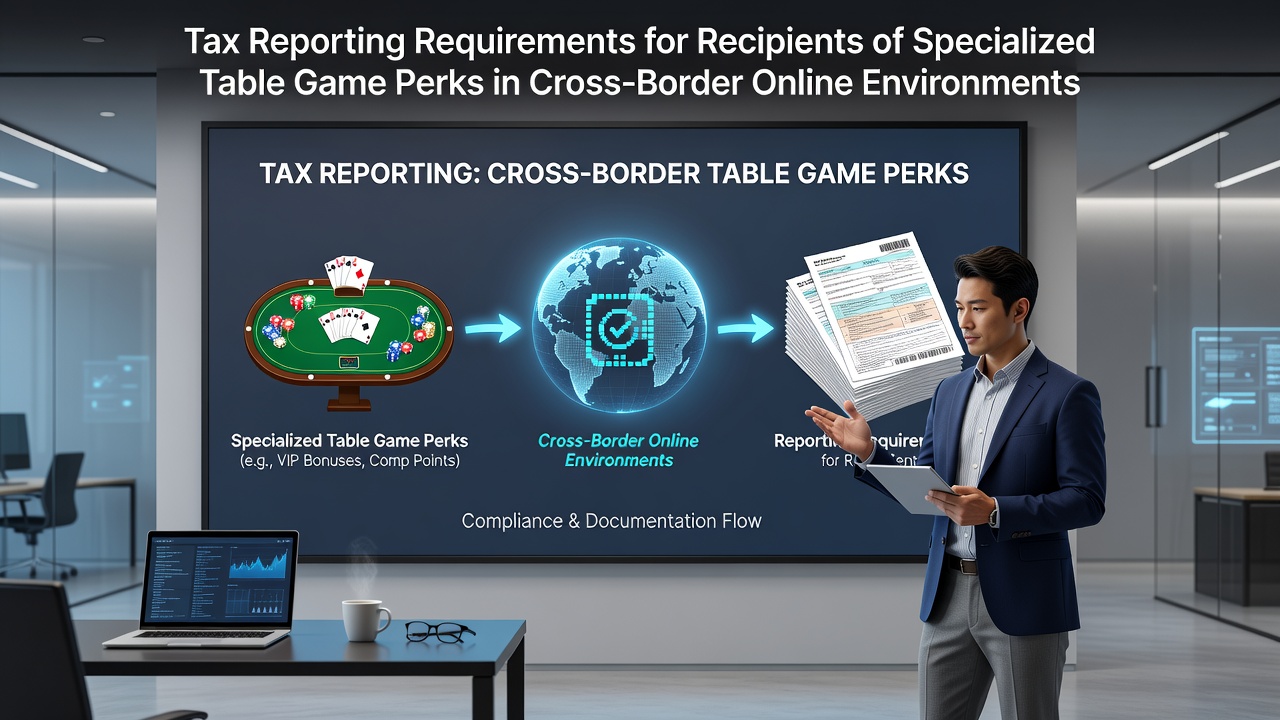
Tax Reporting Requirements for Recipients of Specialized Table Game Perks in Cross-Border Online Environments
Specialized table game perks in online environments often include loyalty credits, event-based rewards, and venue-specific comps that participants receive across international platforms, and these items trigger distinct tax obligations depending on the recipient's location and the operator's jurisdiction. Recipients must track these benefits as potential taxable income because many regulatory frameworks classify them alongside cash winnings or other compensation forms.
Core Classification of Perks Under Tax Codes
Tax authorities in multiple regions treat table game incentives as ordinary income when they carry measurable value, and this classification holds whether the perks arrive as deposit matches, rebate credits, or access passes to exclusive virtual tables. Observers note that valuation methods vary by jurisdiction, with some agencies requiring fair market assessments at the time of receipt while others accept operator-provided statements. Recipients who maintain detailed records of perk redemptions and associated dates find it easier to substantiate amounts during audits or filings.
Domestic Reporting Mechanisms in Key Markets
Within the United States, operators issue Form 1099-MISC or W-2G documents when cumulative perks exceed annual thresholds, and recipients report these figures on individual returns under the appropriate income categories. Canadian residents follow similar protocols through the Canada Revenue Agency, where T4A slips may document certain gaming-related benefits and participants integrate them into their annual T1 filings. Australian taxpayers reference Australian Taxation Office guidelines that require inclusion of gaming incentives in assessable income, particularly when cross-border transfers involve currency conversions that affect reported values.
International Coordination and Treaty Applications
Cross-border elements introduce additional layers because tax treaties between countries often allocate taxing rights and provide mechanisms to offset liabilities already paid abroad. Data from the Organisation for Economic Co-operation and Development indicates that automatic exchange frameworks under the Common Reporting Standard facilitate information sharing among participating nations, which means operators in one jurisdiction may forward perk details directly to authorities in the recipient's home country. Participants who operate across multiple platforms benefit from understanding these flows since unreported items can lead to notices or adjustments once data arrives through official channels.
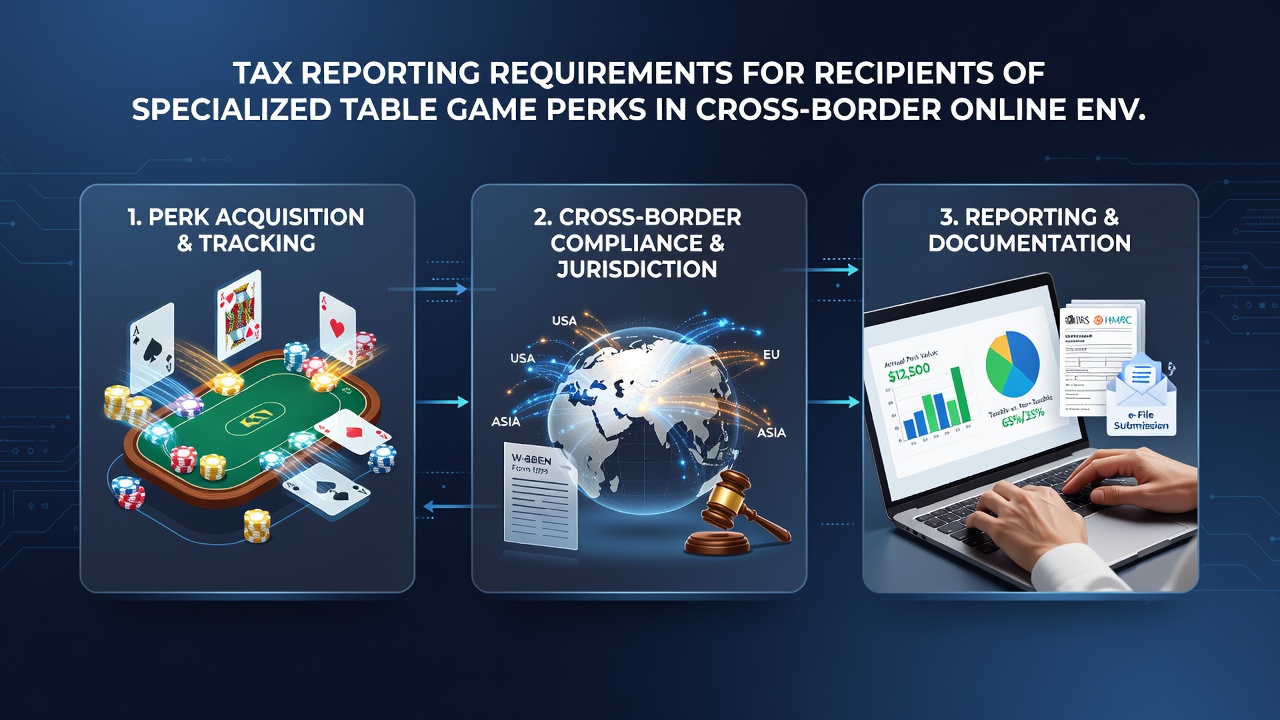
Documentation Standards and Filing Timelines
Accurate reporting depends on retaining transaction logs, email confirmations, and platform statements that itemize each perk's date, type, and monetary equivalent, and these materials prove essential when currency fluctuations or partial redemptions complicate calculations. Most jurisdictions set annual filing deadlines that align with standard income tax calendars, yet some require quarterly estimates when perk volumes suggest substantial liability. Recipients who engage cross-border services frequently consult local advisors to reconcile differences in recognition timing between the operator's reporting cycle and their own tax year.
Developments Observed in August 2026
As of August 2026 several regulatory bodies updated electronic reporting protocols to capture real-time perk distributions more precisely, and these changes affect operators that serve participants from multiple treaty countries. The adjustments emphasize standardized data fields for perk categories, which reduces discrepancies during subsequent information exchanges. Those monitoring the space note that platforms have responded by enhancing user dashboards to display cumulative values in both local and converted currencies, thereby supporting compliance without additional manual effort.
Conclusion
Tax reporting for specialized table game perks in cross-border settings requires consistent attention to classification rules, documentation practices, and treaty provisions that govern information sharing. Recipients who integrate these elements into routine record-keeping processes align their activities with prevailing requirements across relevant jurisdictions.