Tracing How Tournament Calendars Sync with Tiered Incentives for Dedicated Table Game Strategists
Written by Logan Butler · Aug 22, 2026
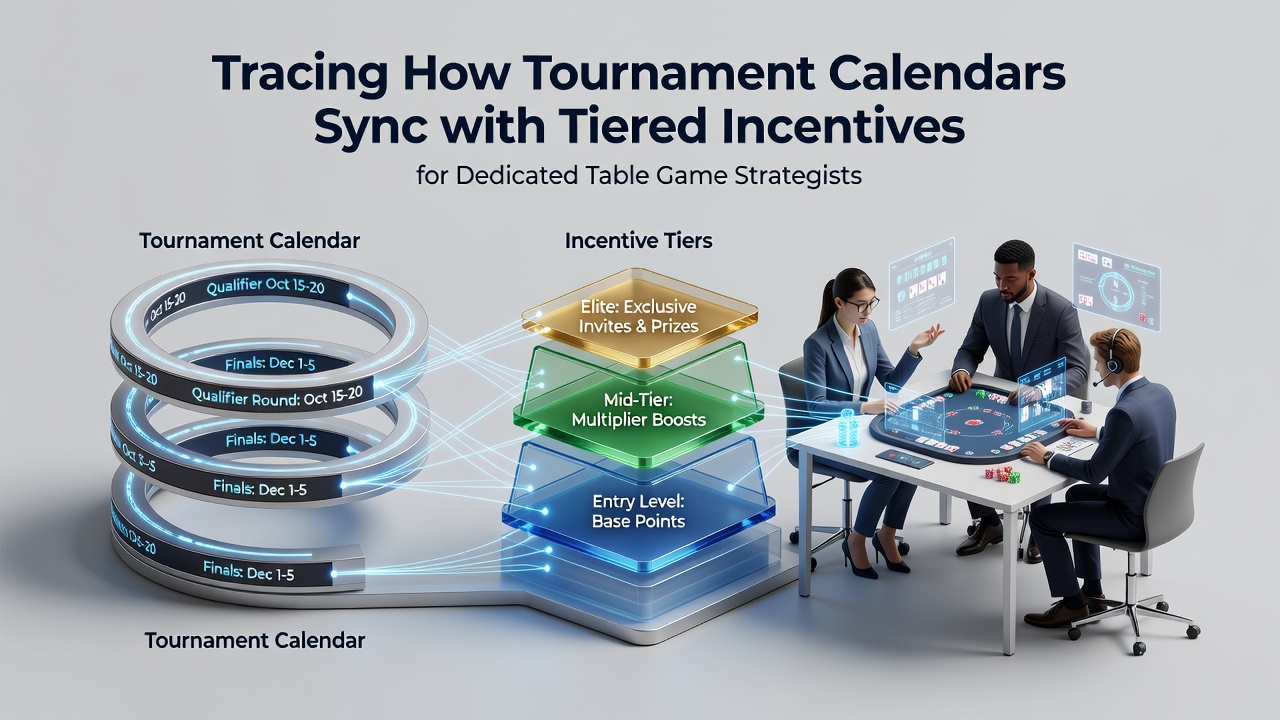
Tracing How Tournament Calendars Sync with Tiered Incentives for Dedicated Table Game Strategists
Table game tournaments follow structured calendars that align with seasonal venue partnerships and player loyalty programs, creating predictable windows for dedicated strategists to access enhanced rewards. Major operators release schedules months in advance, coordinating events such as summer series in Las Vegas or winter circuits in Atlantic City with tier progression deadlines in their rewards systems. Data from the Nevada Gaming Control Board shows tournament entries increased 14 percent during periods when loyalty tiers reset in tandem with calendar releases.
Strategists track these alignments because higher tiers often unlock priority registration, reduced buy-ins, or additional prize pools tied to specific dates. For instance, platinum-level participants receive notification of August 2026 events before public announcements, allowing them to plan bankroll allocation around confirmed dates. This synchronization reduces overlap between regional festivals and national circuits, giving consistent opportunities across properties.
Calendar Construction and Regional Coordination
Operators build tournament calendars by consulting historical attendance figures, venue availability, and competing events from neighboring jurisdictions. In regions like New Jersey and Pennsylvania, state gaming commissions require advance filings that list start dates, formats, and guaranteed prize pools, which then feed into loyalty program databases. Those databases flag tier thresholds that unlock when players accumulate points during designated tournament blocks.
August 2026 features multiple overlapping series across North American properties, with several mid-tier events positioned immediately before annual loyalty resets. Observers note that this placement encourages players to maintain activity levels through summer months, converting accumulated points into entry advantages for later competitions. The pattern repeats in European markets where national associations publish unified calendars that operators integrate into their tiered systems.
Tiered Incentive Mechanics and Synchronization Points
Tiered programs divide participants into levels based on tracked play volume, with each tier granting distinct tournament benefits. Entry-level tiers receive standard access while mid and upper tiers gain early registration windows, satellite qualifiers, and fee waivers that activate only during calendar-specified periods. Research from the University of Nevada, Reno indicates that players who time their volume spikes to coincide with tier unlock dates experience 22 percent higher qualification rates for featured events.
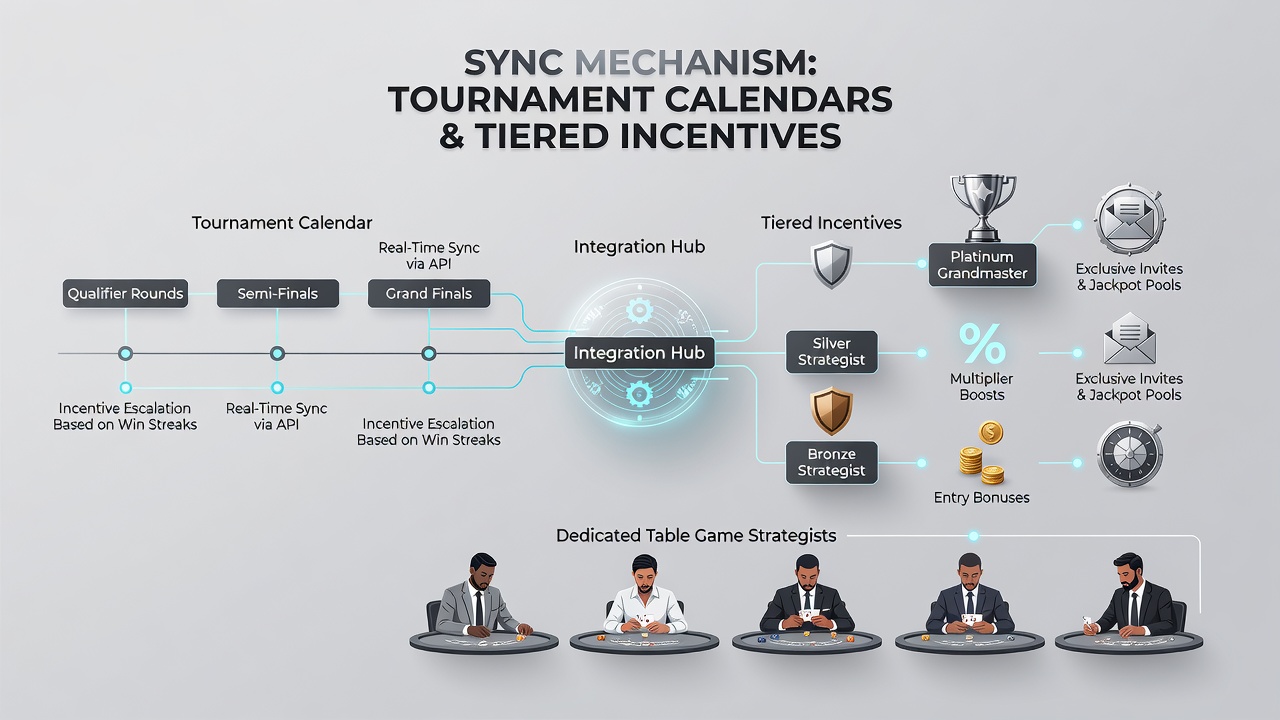
Sync points occur at quarterly reviews when operators cross-reference completed tournaments against player point totals. Automated systems then adjust upcoming calendar entries to reflect which tiers will receive enhanced incentives. One documented case involved a Midwest cardroom that shifted a September series forward by two weeks after data showed gold-tier players would otherwise miss the qualification window due to a prior loyalty reset.
Data Flows and Player Tracking Integration
Modern systems link tournament software directly to player tracking platforms, allowing real-time updates when calendars change. When a property adds a new event in response to competitor scheduling, the system immediately recalculates tier benefits and notifies eligible participants through their accounts. This integration supports dedicated strategists who monitor multiple venues and adjust travel plans based on confirmed tier access.
Figures from the American Gaming Association reveal that properties using unified data platforms report fewer scheduling conflicts and higher tier retention rates. The same reports note that August 2026 calendars already incorporate preliminary adjustments based on 2025 performance metrics, ensuring tier incentives remain aligned with expected attendance patterns.
Conclusion
Tournament calendars and tiered incentives operate through interconnected data systems that operators update according to regulatory filings, historical patterns, and player activity metrics. Dedicated strategists benefit when these elements align, gaining advance access to events that match their tier status. Continued integration of tracking platforms across regions supports consistent synchronization even as calendars evolve for future seasons such as August 2026.